

Definitions · Service models
What is IaaS?
What is IaaS? Rented compute, storage and networking you configure yourself: the service model, its boundary, and how instances are listed.
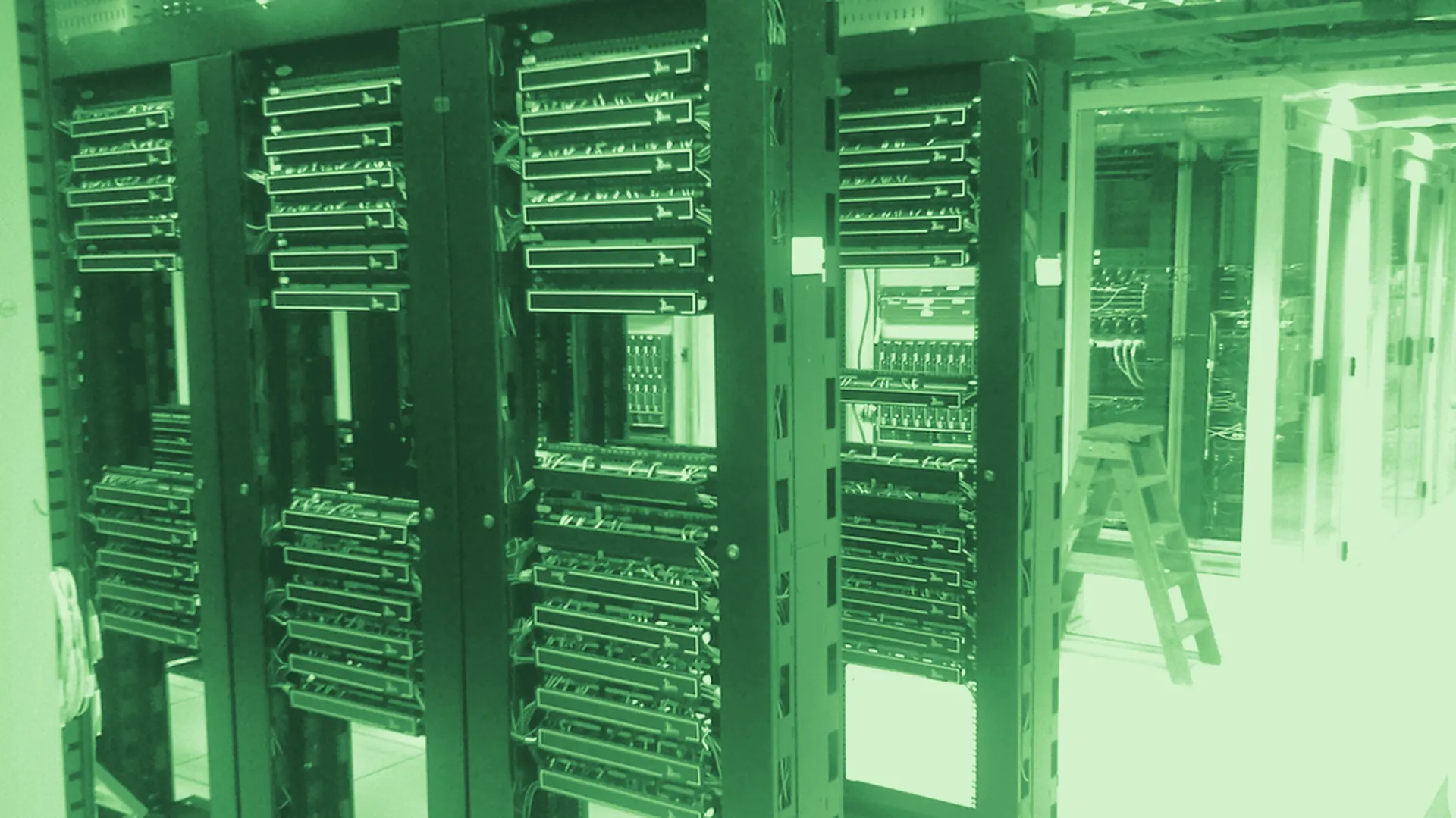
Infrastructure as a Service (IaaS) is a cloud model in which a provider supplies compute, storage and networking over a network while the tenant runs its own workloads on top. What is rented is capacity - machines, volumes, addresses - rather than a finished application.
The division of responsibility runs through the middle of the stack. The provider owns the hardware, the hypervisor, the power and the physical network; the tenant owns the operating system, its patches, the runtimes, the data and everything deployed above them. Because IaaS sits closest to owning machines, it is the model chosen when control of the software environment matters more than operational convenience.
What an infrastructure catalogue contains
A provider's IaaS offering is usually assembled from a handful of parts:
- Compute - virtual machines or dedicated hosts, described by processor count, memory, instance family and storage policy.
- Storage - volumes that outlive the machines they attach to, plus images, snapshots and backups.
- Networking - virtual networks, subnets, firewall rules, routing and addresses reachable from outside.
- Lifecycle controls - build from an image, start, stop, resize, snapshot, destroy, all through an API.
- Access and quota - credentials, project boundaries and per-user ceilings on what may be created.
Sitting under those parts is the control plane that turns an API call into a running machine. It holds the image catalogue, the network definitions, the quota rules and the live state of every instance it has created. Two providers can publish identical processor and memory shapes and still differ sharply in what that layer permits: which images exist, how networks are separated, how far an instance can grow without a rebuild, and how much of the API is exposed at all. Those are the details worth recording in a specification before a workload is migrated, because they decide whether the migration is a configuration change or a rewrite.
Everything above that boundary stays with the tenant: patching the guest system, installing runtimes, deploying the application, protecting the data. That is the honest trade in this model. IaaS does not delete operational work, it relocates it, which is why teams renting infrastructure tend to buy back engineering time rather than headcount.
IaaS next to the other service models
IaaS is one of three labels commonly applied to what a cloud hands over, the others being platform services and software delivered as a service. This page stays with the first of them. The side-by-side reading of all three - what each takes off your plate, where the responsibility line moves, how the pricing behaves - lives in IaaS, PaaS and SaaS on VirtEngine.
The object a tenant actually works with is the virtual machine: an emulated computer with its own operating system running on shared hardware. Every instance in a listing is a defined shape of that object - a number of processors, an amount of memory, a starting image, a position on the network.
Who rents infrastructure, and what they check
IaaS suits workloads where the shape of the environment is part of the requirement: applications lifted from a datacenter that were never written for a platform service, clusters needing particular accelerators or interconnects, batch jobs that need machines for an afternoon, and deployments whose data must sit in a specific jurisdiction or network.
What buyers compare reaches past the instance list. Transfer and storage policies often move the total cost as much as the hourly rate does; image availability and region placement decide whether a workload can move at all; and everything above the hypervisor becomes the tenant's security surface - a wider responsibility than a managed service hands over.
Infrastructure capacity on an open market
On VirtEngine, infrastructure appears as a published offering rather than a negotiated contract. A provider lists the instance shapes it will serve with their region, network characteristics and price, and a tenant funds an escrow account when placing the order. The provider can confirm committed budget before handing over a machine, and the tenant is not paying ahead for capacity it has not received.
The order can match at the listed price, through competing bids, or by selecting listings that satisfy stated attributes; either way it becomes a lease binding tenant, provider and escrow. The provider's control plane fulfils the request, records what was consumed and signs those readings. Any VEID condition is specific to a supported offer and disclosed before ordering; it is not required for every marketplace transaction.
In practice
A provider publishes instance shapes, region and price; a tenant orders one, funds escrow, and the provider is paid from that escrow only for usage that survives the dispute window.
Questions
Asked about what is iaas
What does IaaS stand for?
Infrastructure as a Service. It names the cloud model where rented compute, storage and networking are the product, while the operating system and everything above it stay under the tenant's control.
What do you manage in an IaaS model?
You manage the guest operating system and its updates, runtimes, applications, data, and the firewall rules you configure. The provider manages the hardware, the virtualisation layer and the physical network underneath.
How does IaaS differ from renting a physical server?
The machines are shared and capacity is requested through an API instead of a procurement cycle. You keep the same software-level control as with a dedicated server without owning or maintaining the equipment.
How is IaaS billed on an open marketplace?
An order funds an escrow account, the matched lease runs against it, and the provider reports signed usage records that settle after a dispute window. Charges follow what was actually consumed rather than an upfront commitment.
Related
Keep reading
- What is PaaS? What is PaaS? A cloud model where the provider runs the platform and you deliver code: what it covers, where the line sits, how it is listed.
- What is SaaS? What is SaaS? Software run by a provider and used over a network instead of installed: what it replaces, what you keep control of, how plans are sold.
- What is a virtual machine? What is a virtual machine? A software emulation of a computer on shared hardware: how virtualisation works and how instances reach the market.
- What is bare metal? Bare metal is a whole physical server for one tenant. When to choose it over virtual machines, what you take on, and how it is listed.
- What is a compute marketplace? A compute marketplace matches demand for capacity with providers who have it. How orders, escrow and signed usage become settled payment.
- All definitions Every cloud and marketplace term, defined in one place.
Longer explainers live in Learn; the full vocabulary is in the marketplace glossary.