

Definitions · Infrastructure
What is cloud storage?
What is cloud storage? Data held on remote systems and reached over a network: the shapes it comes in, durability, and how capacity is metered.
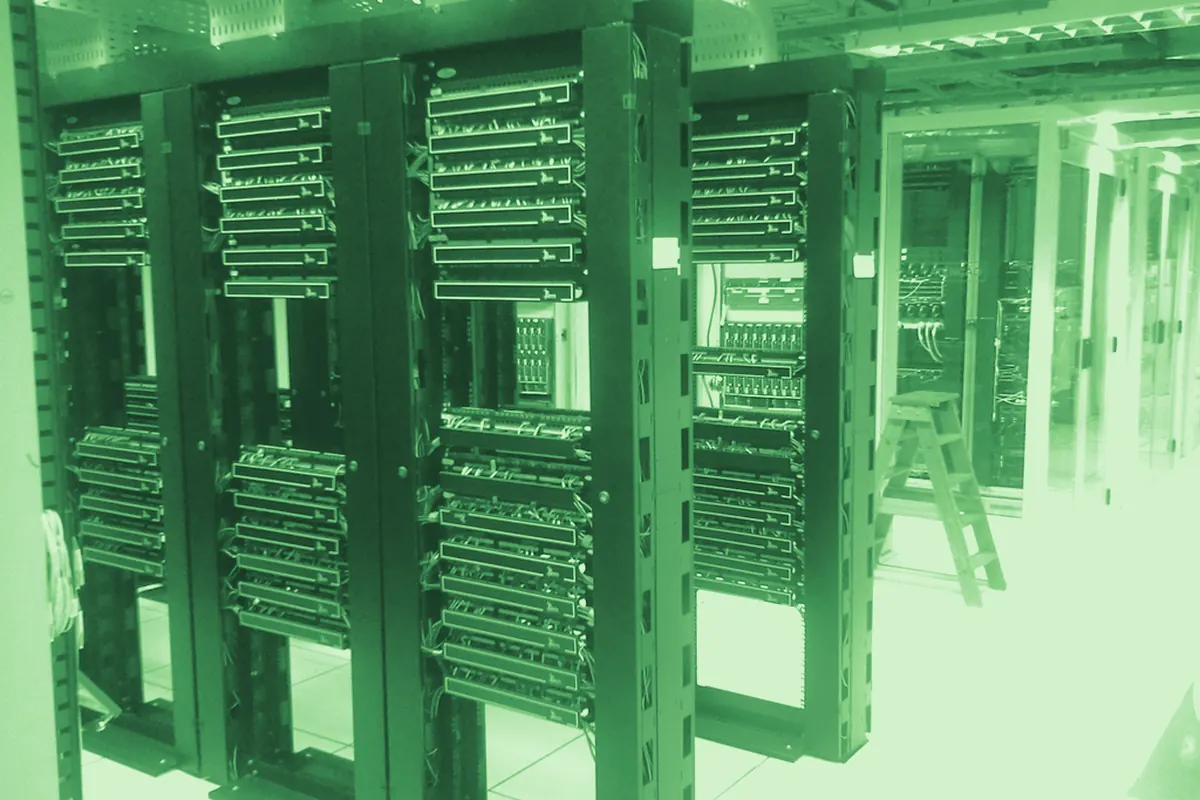
Cloud storage is data held on remote infrastructure and accessed over a network, maintained by a provider rather than stored on the machine using it.
Requests travel across the network to storage systems the tenant never sees, addressed through an API rather than a drive letter. The capacity arrives in shapes: block volumes that behave like disks, shared file trees, and object stores addressed over HTTP. What the shapes share is a division of labour - the provider builds and maintains the storage layer, while the tenant decides what to put in it, who may read it, and when it may be deleted.
The shapes and what each is for
Storage categories are distinguished by how they are addressed and shared:
- Block - volumes attached to a compute instance, read and written like a local disk.
- File - hierarchical and shared, so several machines can mount the same tree.
- Object - buckets addressed over HTTP, with versioning and lifecycle rules, suited to backups, media and unstructured data.
- Archival tiers - slower storage for data that is rarely read but must be retained.
- Transient space - scratch attached to a workload and expected to disappear with it.
Choosing between them is a question about access patterns rather than about quality: transactional state wants block, shared working sets want file, bulk objects want object storage, and a wrong choice shows up as either wasted money or a rewrite later. The decision is usually made once and early, because moving data between shapes is a migration rather than a setting - attached volumes behave like disks, a shared file tree suits groups that must read one directory at once, and object storage asks callers to speak HTTP while versioning whatever they write.
Placement matters as much as the shape. Data held in one region costs more to reach from another, and an application that reads across regions discovers that fact in latency well before it appears on a bill - which is why region is treated as part of an application's design rather than as a dropdown during setup.
Durability, availability and copies
Providers replicate data across drives and failure domains and publish what their designs are intended to survive. Two separate questions hide behind the word safe: whether the system keeps the data when hardware fails, which is durability, and whether you can still reach it, which is availability.
Neither question covers accidental deletion, a leaked credential or a corrupt write, because redundancy does not protect against the data being overwritten or removed deliberately. Versions, retention rules and a copy outside the account remain decisions the tenant makes - and they are worth making before the first workload lands.
Cost follows a similar pattern. Storage that is inexpensive to keep is rarely the fastest to read, so a retention rule written for compliance can become a fetch problem for whatever has to pull from it later. Reading the tiering terms next to the durability statement is dull work, and it is where the unpleasant surprises usually live.
Where storage sits in the stack
Storage is bought alongside infrastructure, and the two are usually evaluated together: the volume has to be attachable, in the right region, at a rate that fits the workload. Transfer is the third leg - moving data out costs money in most arrangements, which is why data gravity is a real constraint on architecture rather than a figure of speech.
The same reasoning applies when the wider category is in view. Cloud computing as a whole is evaluated on how its parts compose, and storage is the part that is hardest to move once placed.
Capacity sold as a metered service
On VirtEngine, storage reaches the market as a listing with its terms on the surface: capacity class, region, access characteristics and retention policy, published by the provider rather than quoted privately. The tenant funds an escrow account when ordering that capacity, so the provider sees committed budget before reserving space for it.
What is stored is then measured over time and reported as signed usage records; the tenant can dispute a reading before it becomes a payment. Validated line items draw down escrow after the dispute window, and balance left at the end of the lease returns to the tenant. The category index is storage listings on the market.
In practice
A provider publishes capacity class, region and retention terms; ordering reserves the space against escrow, and the bytes held are what settle at the end of the lease.
Questions
Asked about what is cloud storage
What is cloud storage in simple terms?
Data kept on systems operated by a provider and reached over a network instead of on a disk attached to your machine. You send a request through an API and the provider's infrastructure returns or writes the data.
What are the main types of cloud storage?
Block storage attaches volumes to a single machine and behaves like a disk. File storage exposes a shared hierarchical tree. Object storage addresses data over HTTP through buckets, with versioning and lifecycle rules built in.
Does cloud storage back up my data?
Replication protects against hardware failure, not against deletion or compromise by an account holder. Versions, retention rules and a copy held elsewhere are separate responsibilities that stay with whoever controls the data.
How is cloud storage metered on a marketplace?
By capacity held over time, reported as signed usage records that the tenant can review before they settle. Payment is drawn from the escrow account funded at order time, and unspent balance returns when the lease closes.
Related
Keep reading
- What is IaaS? What is IaaS? Rented compute, storage and networking you configure yourself: the service model, its boundary, and how instances are listed.
- What is cloud computing? What is cloud computing? IT resources delivered over a network and consumed as needed: what the model rests on, what it hides, how capacity is traded.
- What is a compute marketplace? A compute marketplace matches demand for capacity with providers who have it. How orders, escrow and signed usage become settled payment.
- What is usage-based billing? Usage-based billing charges for consumption rather than a subscription. What makes up the bill, who runs the meter, and how settlement works.
- All definitions Every cloud and marketplace term, defined in one place.
Longer explainers live in Learn; the full vocabulary is in the marketplace glossary.